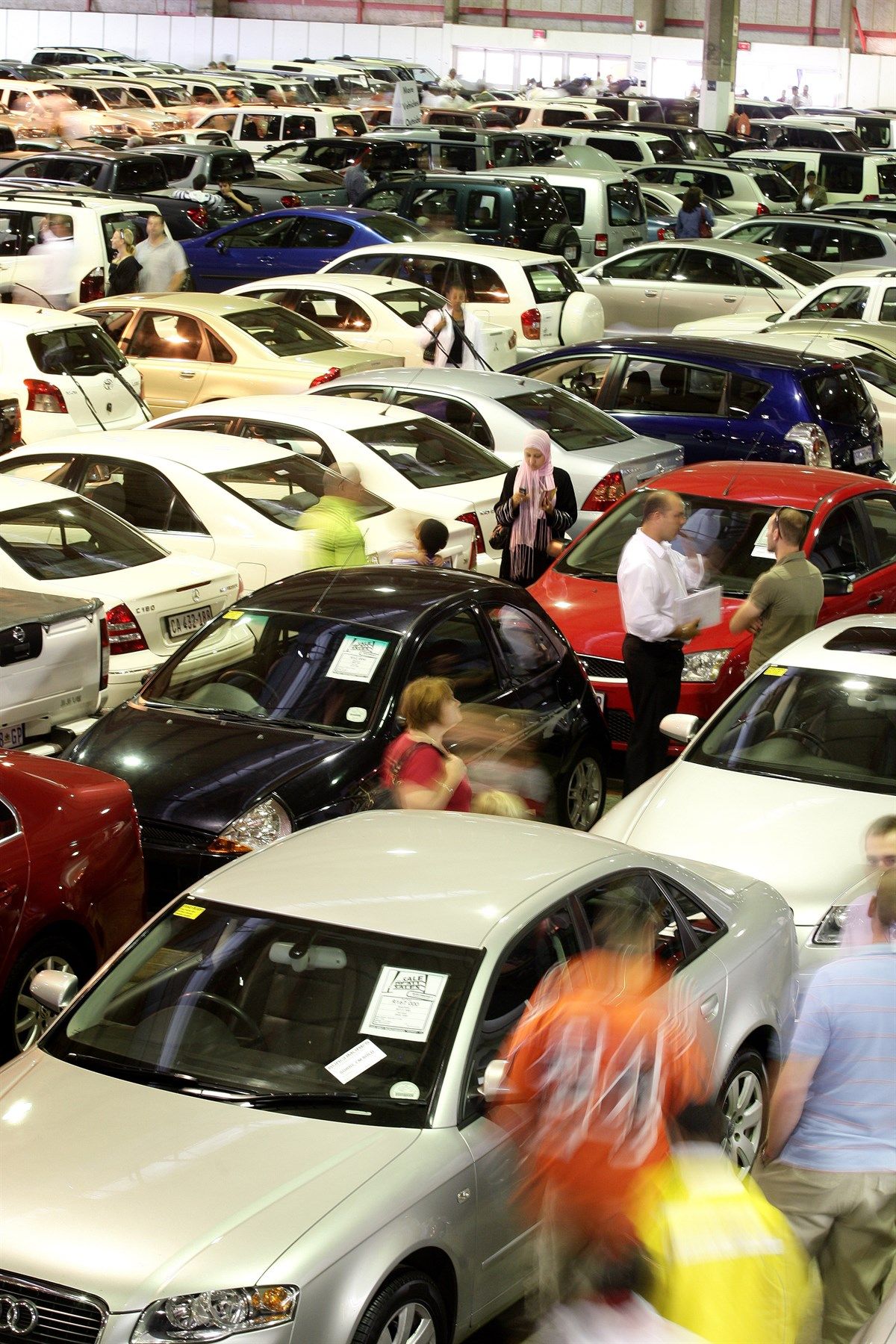

Understanding the Dynamics of Repo Car Auctions in South Africa
The South African auto market is witnessing an unprecedented trend in selling repossessed cars. With discounts reaching up to 78%, the repo car market attracts many buyers, from private individuals to seasoned traders.
The bulk of auction inventory comes from vehicles repossessed by financial institutions due to loan defaults. Occasionally, private sellers also list their cars for quick liquidity.
However, the process and implications of buying a repossessed car demand careful consideration.
Auction Pricing: Strategy and Knowledge
Auctions set reserve prices based on a car's used trade value, considering factors like mileage and overall condition. These prices are generally set 10-20% below retail value. The attractiveness of a car, top-rated models, often dictates how close the reserve price is to the market value.
Registration and Auction Process
Bidders must comply with FICA regulations to participate in an auction, providing identification and proof of residence. A refundable registration fee, estimated at around R5000, is required to validate the bidder's commitment. Proof of financial readiness is also a prerequisite for bidding.
Financial Implications and Hidden Costs
Successful bids include additional financial responsibilities, including the auctioneer's commission and a 15% VAT. The deposit is forfeited if a bid is successful, but the buyer fails to complete the purchase. Conversely, if no purchase is made, the deposit is returned.
No Guarantees but Opportunities for Due Diligence
Auction houses offer no guarantees on the vehicles sold. However, many repo cars retain manufacturer warranties or service plans. It's crucial to use the viewing days to inspect vehicles and note their VINs for further history checks.
The Importance of Research and Preparation
Prospective buyers should familiarise themselves with the auction process by attending a few before bidding. Researching the desired car model, understanding its market value, and comparing it with similar models is essential for making an informed decision.
Embracing Modern Bidding Methods
While traditional in-person auctions dominate, online and telephonic bidding options are increasingly available. Newcomers, however, are advised to experience live auctions first to get a real sense of the bidding environment.
Navigating the repo car auction market in South Africa requires a balance of strategic bidding, thorough research, and careful financial planning. With the right approach, buyers can find valuable deals in this unique market segment, effectively balancing cost and vehicle quality.
FAQ
Q: How much can you save at repo car auctions in South Africa?
You can save anywhere from 20% to 78% off retail prices at repo car auctions, with reserve prices typically set 10-20% below market value. A car worth R200,000 retail might have a reserve price of R160,000 to R180,000, though popular models will push closer to market value through competitive bidding.
Q: What are the total costs when buying at a repo car auction?
Beyond your winning bid, you'll pay auctioneer's commission plus 15% VAT on the total amount, and you need a refundable R5,000 registration fee upfront. If you win a R150,000 bid, expect total costs around R172,500 including all fees and VAT.
Q: Are repo cars worth buying in South Africa?
Repo cars can be excellent value if you do your homework, as many retain manufacturer warranties and service plans while offering substantial savings. The key is thorough inspection during viewing days, VIN checks, and understanding that all sales are final with no guarantees from auction houses.
Q: What documents do you need for repo car auctions?
You need valid identification, proof of residence, proof of financial readiness, and R5,000 for registration fees to comply with FICA regulations. Without these documents, you cannot register to bid at any reputable auction house in South Africa.
Q: Can you inspect cars before bidding at repo auctions?
Yes, auction houses provide viewing days where you can thoroughly inspect vehicles, check VINs, and assess condition before bidding. This inspection period is crucial since all sales are final and no warranties are provided by the auction house.
Should You Buy It?
Repo car auctions are definitely worth considering if you're hunting for serious value, but only if you approach them like a seasoned poker player, not a hopeful lottery ticket buyer. With potential savings of 20-78% off retail prices, a R300,000 SUV could land in your driveway for R180,000 to R240,000, making it one of the best ways to stretch your car budget in South Africa. However, success depends entirely on your preparation game, from attending practice auctions to conducting thorough inspections and VIN checks during viewing days. Budget for the full package including auctioneer fees and 15% VAT, bring your R5,000 registration fee, and remember that popular models will attract fierce bidding that pushes prices closer to retail. The verdict: buy if you've done your research and can handle the risk, skip if you need guarantees and hand-holding.