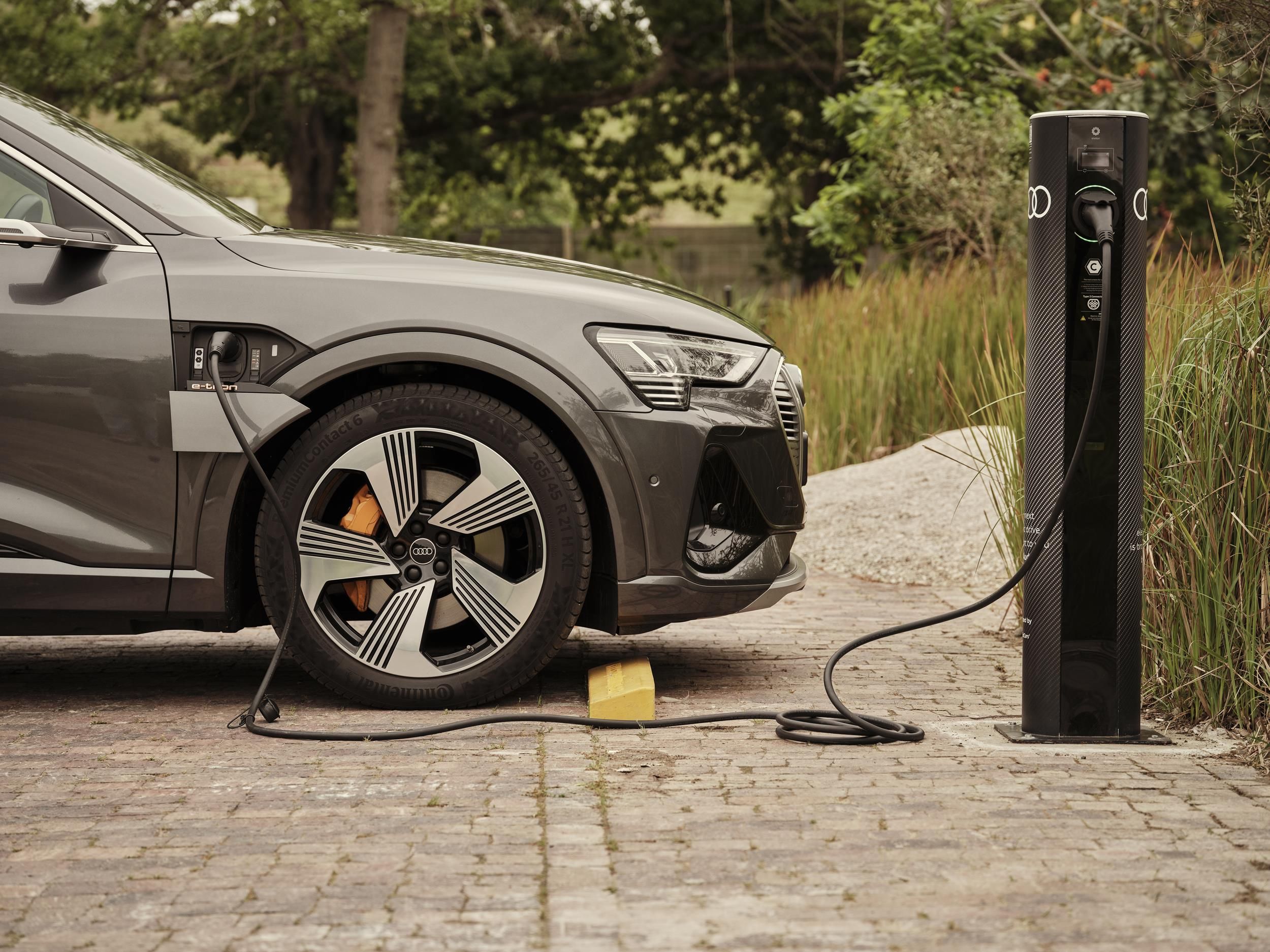
South Africa boosts EV investments
In a significant move to embrace sustainable transportation, the Automotive Business Council has lauded the initiative that Finance Minister Enoch Godongwana announced in his 2024 Annual Budget Speech. This initiative aims to bolster the transition to electric vehicles (EVs) in South Africa through a strategic plan focused on investment. Mikel Mabasa, CEO of naamsa, expressed approval for the government's proactive approach towards fostering the production of EVs, aligning with the global trend towards environmentally friendly mobility solutions.
A vital element of the Minister's announcement was the introduction of an investment allowance for new EV ventures starting March 2026. This incentive allows businesses and investors in the EV sector to deduct 150% of qualifying investment expenses in the first year, a move Mabasa believes will attract investments, spur innovation, and accelerate the growth of South Africa's EV market. The reallocation of funds to support the transition to new energy vehicles is a commitment to providing the fiscal backing necessary for developing and adopting EVs, contributing to global efforts to reduce carbon emissions.
The investment allowance for EVs complements the existing Automotive Production Development Programme (APDP), underscoring the government's comprehensive support for the automotive industry. However, naamsa anticipates ongoing dialogues with the government to navigate challenges within the APDP, especially regarding vehicles with low local content due to the predominant battery production in countries like Japan, South Korea, and China.
The industry suggests that the allocated R964 million funding, while significant, is only a fraction of the annual investments by Original Equipment Manufacturers (OEMs), which stand at approximately R5 billion. This funding is viewed as an initial step, with expectations for further acquisitions and collaborations in the future. Additionally, naamsa will seek to address potential timeline gaps in the pre-investment cycles for production starts, ensuring the incentive framework matches the industry's requirements.
Beyond financial incentives, naamsa praised the Minister's attention to structural reforms in electricity supply, transport logistics, and infrastructure provision. These reforms are crucial for the automotive sector's growth and sustainability. The industry suffered substantial financial losses due to load shedding in 2023 and is keen on improving energy security and operational stability.
As a key contributor to South Africa's economy, with exports exceeding R400 billion in 2023, the automotive industry is poised to collaborate with entities like Transnet for efficient logistics operations. These efforts aim to enhance the industry's global competitiveness and ensure its continued growth in the era of sustainable mobility.
FAQ
Q: What is South Africa's new EV investment allowance and when does it start?
South Africa's new EV investment allowance starts in March 2026 and allows businesses to deduct 150% of qualifying electric vehicle investment expenses in the first year, making it significantly cheaper to invest in EV production and infrastructure.
Q: How much funding has South Africa allocated for electric vehicle transition?
The government has allocated R964 million for the transition to electric vehicles, though industry experts note this represents only about 20% of the R5 billion that Original Equipment Manufacturers typically invest annually in South Africa.
Q: Will South Africa manufacture EV batteries locally or import them?
South Africa will likely continue importing EV batteries from major producers in Japan, South Korea, and China, which creates challenges for local content requirements under the existing Automotive Production Development Programme.
Q: How does the EV investment allowance work with existing automotive incentives?
The EV investment allowance complements the existing Automotive Production Development Programme, providing additional government support specifically targeted at electric vehicle production and adoption in South Africa.
Q: Is South Africa's EV investment plan enough to compete globally?
While the R964 million allocation and 150% tax deduction are positive first steps, industry leaders view this as initial funding that will need significant expansion through future acquisitions and collaborations to match global EV investment levels.
Should You Buy It?
Hold your horses there, speed demon. This isn't about buying a specific car, it's about whether South Africa's EV investment push is worth getting excited about. The short answer? Maybe, but don't hold your breath for cheap EVs just yet. With the government's R964 million investment being a drop in the ocean compared to the R5 billion that manufacturers actually spend annually, we're looking at baby steps rather than giant leaps. The 150% tax deduction for EV investments starting March 2026 is brilliant for businesses, but for us regular folk wanting affordable electric wheels, you'll still be waiting a few more years before local production brings prices down from the current R800,000+ for decent EVs. If you're itching to go electric now, prepare to pay premium import prices, but if you can wait until 2028-2030, this investment could finally give us some proper locally-assembled options under R500,000.