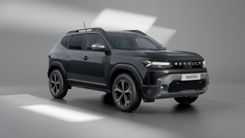
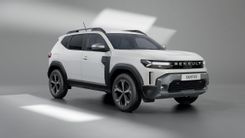
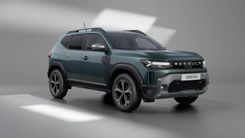
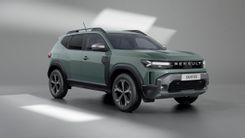
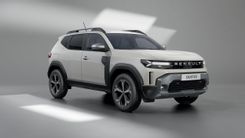
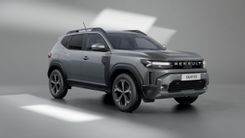
Third Generation Renault Duster Arrives in SA – Reimagined, Refined, but No Diesel in Sight
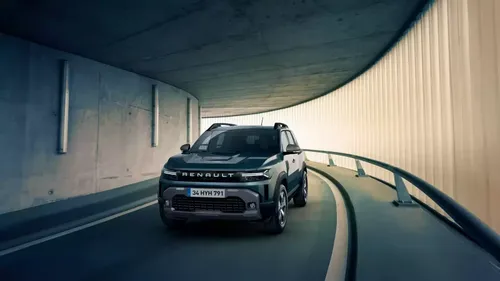
Renault South Africa has officially launched the highly anticipated third generation of its popular Duster SUV, a vehicle that has carved a significant niche in the local market since its introduction in 2013.
The Duster, globally launched in 2010 and renowned with over 2.2 million units sold worldwide, has consistently resonated with South African buyers seeking a blend of practicality, ruggedness, and affordability. This new iteration aims to build on that legacy, sporting a bolder design, enhanced technology, and more efficient powertrains.
Historically, the Duster's appeal in South Africa has been multifaceted. It offered a genuinely capable, yet budget-friendly alternative to more mainstream SUVs. Its robust build and respectable ground clearance made it adept at handling both urban commutes and the occasional gravel road adventure, a crucial factor for many South African motorists. Furthermore, the availability of diesel engines in previous generations cemented its reputation for fuel efficiency and long-distance cruising capability – a key consideration in a market sensitive to running costs.
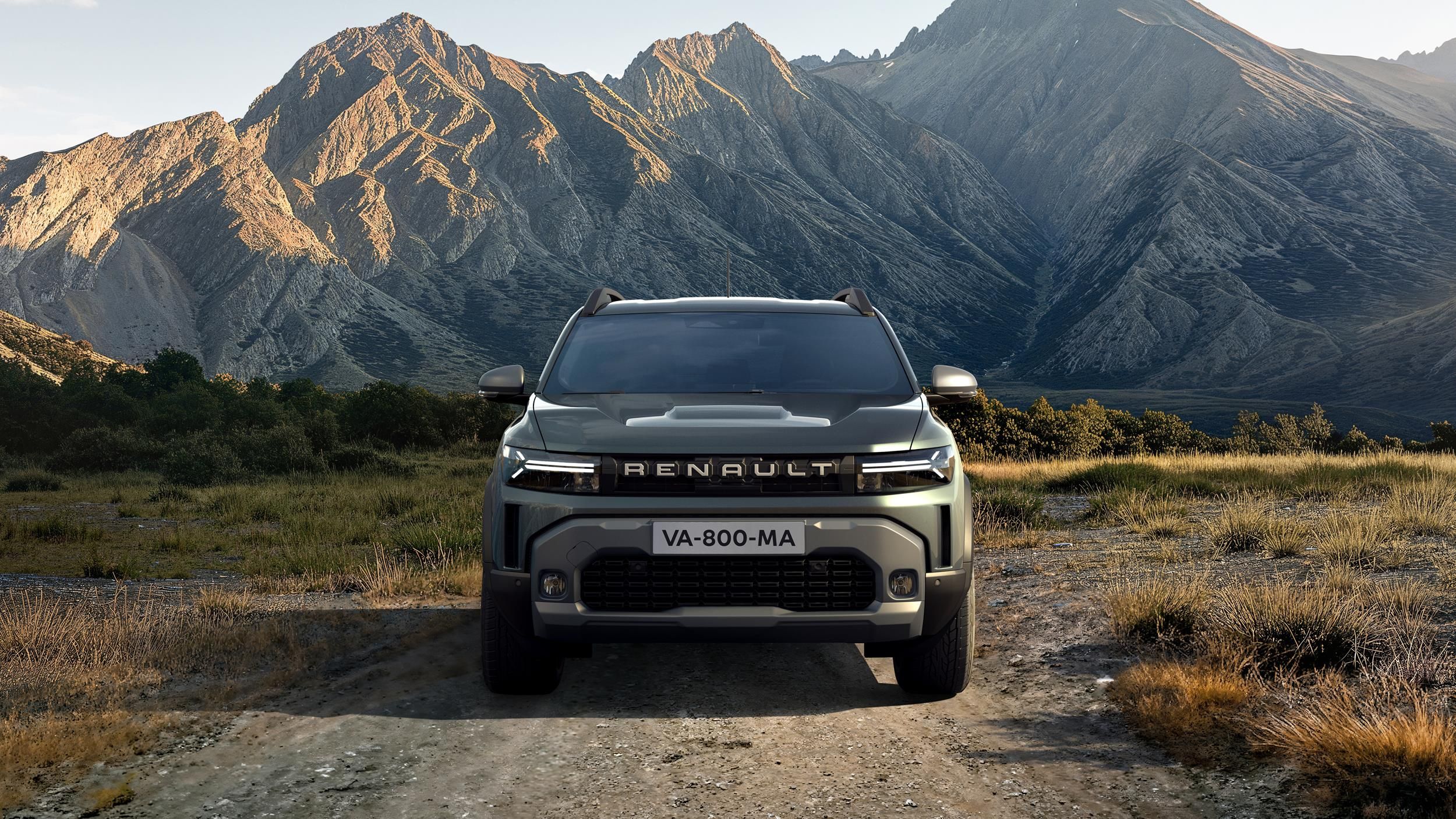
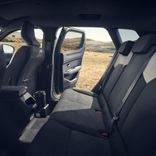
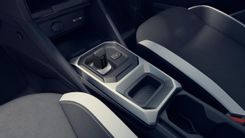
This new third-generation Duster aims to build on that established popularity, sporting a bolder design and enhanced technology, and moving to more efficient powertrains. Under the skin, the new Duster transitions to Renault’s CMF-B platform, a modern architecture promising improved chassis rigidity, enhanced safety, and a more spacious cabin. Inside, the cabin receives a significant upgrade, headlined by a 10.1-inch infotainment touchscreen and a digital instrument cluster.
However, in a move that may raise eyebrows amongst loyal fans, the launch line-up conspicuously omits a diesel engine option. For many South African buyers, particularly those in rural areas or frequent long-distance travellers, the diesel Duster was a cornerstone of its appeal. Renault has opted for a petrol-focused strategy for this generation, banking on the advancements in petrol engine efficiency and the introduction of mild-hybrid technology to compensate.
Performance-wise, the range offers two petrol engine choices. The 4x2 models are powered by a 1.3-litre turbocharged petrol engine producing 113kW and 250Nm of torque, mated to an EDC automatic transmission. For those seeking enhanced capability, the Zen 4WD variant introduces a new mild-hybrid powertrain. This combines a 1.2-litre turbocharged petrol engine with a 48V battery and electric motor, delivering 96kW and improved fuel efficiency. While Renault claims a 12.3% fuel consumption improvement for the mild-hybrid, the absence of a diesel option at launch is a notable departure.
Off-road credentials remain a Duster hallmark, particularly for the 4WD model. Boasting a generous 217mm ground clearance and class-leading approach and departure angles, the Duster 4WD is equipped to tackle more challenging terrains than many of its soft-roader competitors. The 4WD Terrain Control system with five driving modes further enhances its all-terrain prowess.
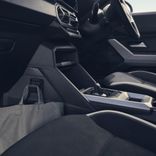
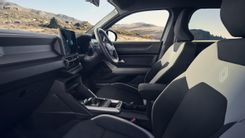
Inside, the cabin receives a significant upgrade, headlined by a 10.1-inch infotainment touchscreen with wireless Apple CarPlay and Android Auto. A 7-inch digital instrument cluster further modernises the driver’s cockpit. Safety is also prioritised, with all models featuring six airbags, Electronic Parking Brake, and a suite of driver assistance systems including Blind Spot Detection on higher-spec models.
Specification levels are generous across the range. Even the entry-level Zen models feature 17-inch alloy wheels, automatic climate control, a reverse camera, and rear parking sensors. The Intens trim adds further luxuries like 18-inch wheels, a multi-view camera, wireless charging, and an Arkamys 3D sound system.
Pricing for the new Duster range starts at a competitive R489,999 for the Zen EDC 4x2, climbing to R519,999 for the Intens 4x2, and topping out at R549,999 for the flagship Zen 6MT 4WD Mild Hybrid. This positions the Duster firmly in the crosshairs of the compact SUV segment, promising value without sacrificing essential features. Renault is backing the new Duster with a 5-year/150,000 km mechanical warranty, a 3-year/ 45,000 km service plan, and a 6-year anti-corrosion warranty, providing peace of mind for prospective owners.
The third-generation Renault Duster arrives in South Africa as a significantly more refined and technologically advanced vehicle. Its pricing remains competitive, and its core values of robustness and practicality are clearly retained. However, the strategic decision to launch without a diesel engine is a bold move that will undoubtedly be a talking point amongst South African car buyers. Whether the improved petrol and mild-hybrid powertrains can fully fill the void left by the diesel, and maintain the Duster’s established popularity, remains to be seen.
Also worth a look: the New Renault Duster: Tech, Turbo, and Tougher Than Ever and the Renault Megane.
FAQ
Q: What does the new Renault Duster cost in South Africa?
The third-generation Renault Duster starts from around R380,000 for the entry-level model, with higher specification variants reaching up to R450,000, making it competitively priced against rivals like the Nissan Magnite and Haval Jolion.
Q: Is the new Renault Duster worth buying in 2024?
The new Duster offers excellent value with its modern CMF-B platform, 10.1-inch infotainment system, and improved build quality, but the absence of a diesel engine option may disappoint traditional Duster buyers who prioritised fuel efficiency for long-distance travel.
Q: What engine options are available in the new Duster?
The new Duster launches with petrol-only powertrains, moving away from the diesel engines that made previous generations popular with South African buyers, though specific engine specifications and power outputs haven't been fully detailed yet.
Q: How does the new Duster compare to the old model?
The third-generation Duster features a completely new CMF-B platform offering better chassis rigidity and safety, a more spacious cabin with digital instruments, and modern infotainment technology, representing a significant upgrade over the previous generation's more utilitarian approach.
Q: Should I wait for a diesel Duster or buy the petrol version?
If you're a high-mileage driver or frequently travel long distances, you might want to wait and see if Renault introduces a diesel variant later, but for urban and suburban use, the new petrol engines should provide adequate efficiency and performance.
Should You Buy It?
The best affordable SUV under R400,000 in South Africa is likely the new Renault Duster, assuming it maintains its competitive pricing strategy. Yes, you should consider buying it if you're looking for a practical, well-equipped family SUV with modern technology and Renault's improved build quality. The new CMF-B platform, 10.1-inch touchscreen, and enhanced safety features represent excellent value in the budget SUV segment. However, if you're a diesel devotee who covers serious kilometres monthly, you might want to hold off until Renault potentially introduces a diesel variant, or consider keeping your current diesel Duster a bit longer. For most South African families wanting a reliable, feature-packed SUV without breaking the bank, the new Duster should tick the right boxes, even without the diesel engine that made its predecessors so appealing to long-distance drivers.