--1902-ZA_thumb.jpg)
--1902-ZA_thumb.jpg)
--1902-ZA_thumb.jpg)
Eclipse Cross an odd crossover entry
The Compact crossover segment seems to grow by the day with many major automotive brands fielding a competitor in one of the most popular vehicle segments on the planet at the moment. Last year Mitsubishi introduced the Eclipse Cross, and no, there is nothing sporty about it, despite it wearing the famous Eclipse badge.
Three model range
Aside from the misleading badge, we found the Eclipse to be an agreeable product, but certainly not segment-leading. The range consists of three derivatives, two two-wheel drive versions, one with a 2.0-litre naturally aspirated engine and the other fitted with a new 1.5-litre turbocharged motor. The third variant features the same naturally aspirated engine but benefits from all-wheel drive.
The looks
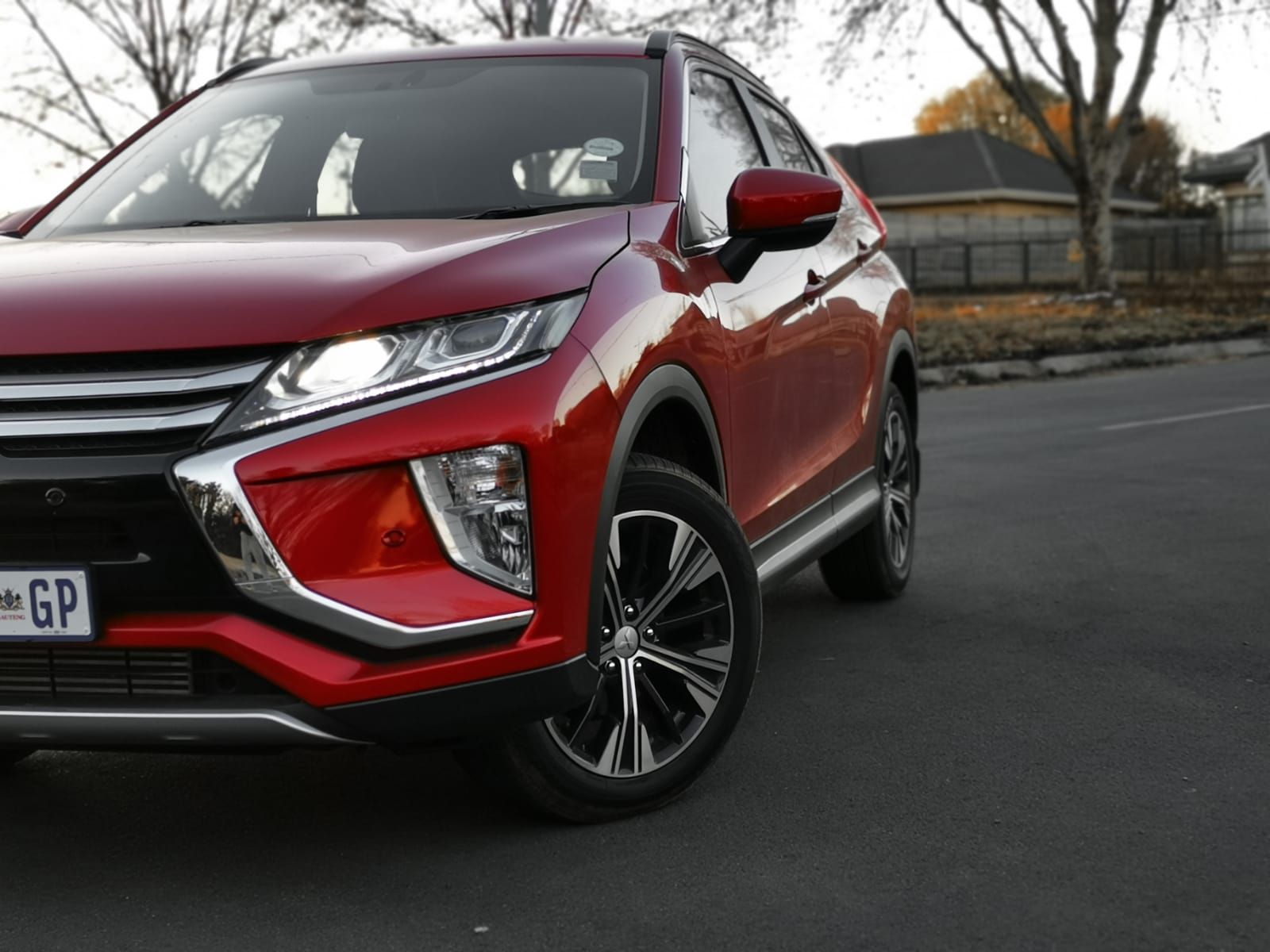
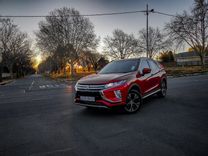
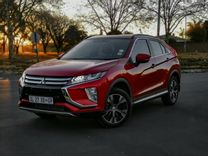
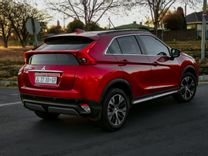
The styling likely contributed to the Eclipse now being one of the brand’s best-selling vehicles locally. While certainly opinion splitting, I’m certain that nobody would accuse it of being bland. We did find the rear lighting bar that split the rear window a hindrance in terms of rear visibility, something remedied by the reverse camera during parking scenarios, but still irksome when on-the-go.
New engine
Powering our Eclipse Cross test car is the aforementioned 1.5-litre turbocharged petrol engine with 110kW and 250 Nm of torque. The engine in combination with the CVT gearbox is a massive improvement, giving the Eclipse Cross far more agreeable driving manners.
We managed a respectable 8.8 L/100km fuel return during our tenure while the improved acceleration of this turbocharged motor versus the naturally aspirated offering is very noticeable. The CVT gearbox does tend to produce its characteristic drone when pushing on, meaning that the driver must learn to modulate the throttle pedal to ensure near-silent progress.
Well-specified
It’s in the equipment department where the Eclipse comes good, with standard items such as 18-inch wheels, roof rails, automatic wipers/windshield/mirrors, a head-up display, heated/ventilated leather seats, a multi-function steering wheel, cruise control, and a seven-inch colour touchscreen infotainment system with Android Auto and Apple CarPlay to name but a few. While not ground-breaking, the design of the interior is good enough while the general fit and finish appear to be acceptable for this segment.
Pricing
The price of our test car at the time of writing was R469 995, making this a rather expensive product, despite the high level of standard equipment and the brand’s reputation for reliability. We cannot see the Eclipse Cross making for a more tempting ownership proposition over products such as the Suzuki Vitara 1.4T, Volkswagen’s T-Cross 1.5 TSI, and Toyota’s C-HR 1.2T.
Verdict
Overall, the Eclipse Cross is not rewriting the crossover rule book, and there are many vehicles to choose from in this segment. The addition of the turbocharged engine has improved the quirky Eclipse Cross package For those looking for a left-field proposition that is likely to last as long as you need it to, the Eclipse Cross is worth a test drive.
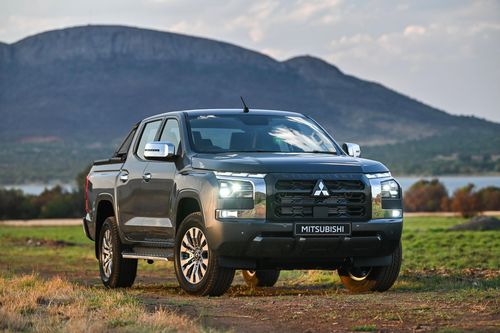
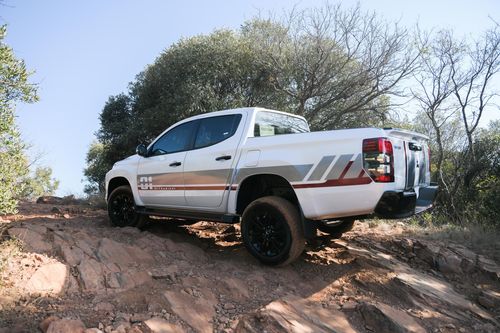
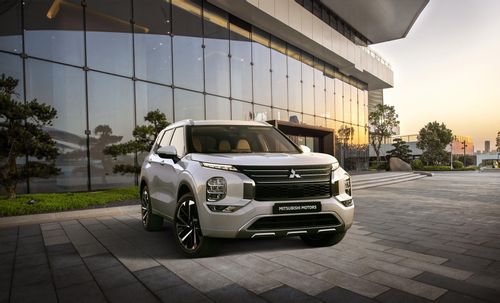
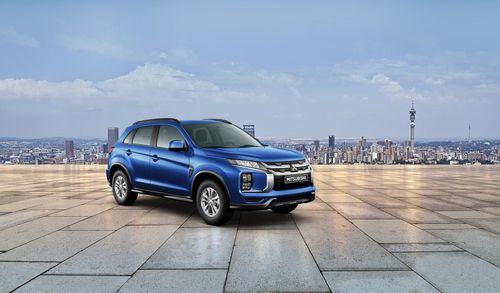
Also worth a look: the Mitsubishi Triton and the Mitsubishi Outlander Sport: Mitsubishi's Value Punch in the .
FAQ
Q: What does the Mitsubishi Eclipse Cross cost in South Africa?
The Mitsubishi Eclipse Cross range starts from around R389,995 for the base 2.0-litre model, with the 1.5-litre turbo variant priced at approximately R419,995 and the all-wheel drive version topping out at R459,995.
Q: Is the Mitsubishi Eclipse Cross worth buying?
The Eclipse Cross is worth considering if you want something different in the compact crossover space, but it's not a segment leader and faces stiff competition from better-rounded rivals like the Mazda CX-5 and Hyundai Tucson.
Q: What engine options are available in the Eclipse Cross?
The Eclipse Cross offers three engine options: a 2.0-litre naturally aspirated petrol engine in front-wheel and all-wheel drive variants, plus a more impressive 1.5-litre turbocharged petrol engine producing 110kW and 250Nm that's paired with a CVT gearbox.
Q: What is the fuel consumption of the Eclipse Cross?
The 1.5-litre turbocharged Eclipse Cross achieves a respectable 8.8L/100km in real-world driving conditions, making it reasonably economical for the compact crossover segment.
Q: Does the Eclipse Cross have any major flaws?
The Eclipse Cross's main flaw is its controversial rear design featuring a light bar that splits the rear window, which significantly hampers rear visibility when driving, though the reverse camera helps during parking.
Should You Buy It?
The Mitsubishi Eclipse Cross is a decent but not outstanding choice in South Africa's competitive compact crossover market. At R419,995 for the 1.5-litre turbo model, it offers distinctive styling and reasonable fuel economy, but the rear visibility issues and CVT gearbox quirks hold it back from greatness. You'd be better served looking at the Mazda CX-5 or Hyundai Tucson for a more complete package, unless you specifically want something that stands out from the crowd and don't mind the compromises.