
Volkswagen's electric revolution is about to get a shake-up. The German automaker has confirmed that its ID.3 hatchback — the brand's first purpose-built electric vehicle — will receive a new name alongside a comprehensive facelift later this year.
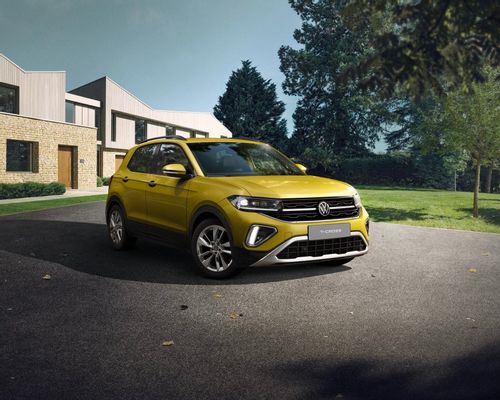
This move signals VW's broader shift away from the numerical naming system that kicked off the ID range back in 2019. You're looking at a brand that's rediscovering the power of proper model names, much like the upcoming ID Polo and ID Cross that we've already heard about.
What's Driving the Change?
Martin Sander, VW's sales chief, let slip to journalists that the refreshed ID.3 will arrive with fresh branding. "We're going to release the name of the next ID.3 generation shortly," he confirmed, though he's keeping the actual moniker under wraps for now.
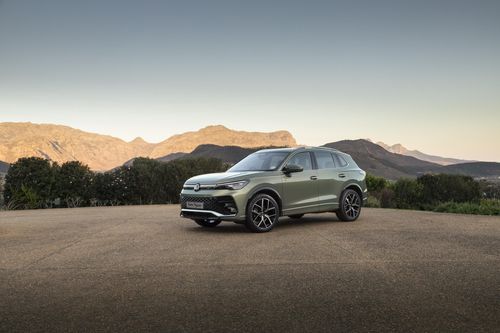
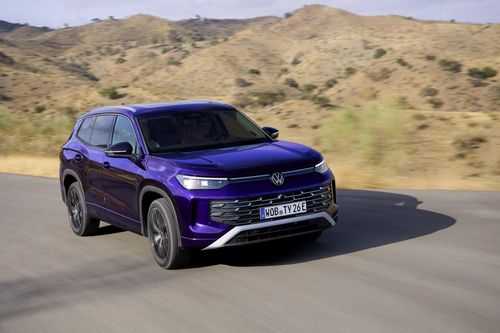
The strategy mirrors what's happening with the ID.4 SUV, which is reportedly set to become the ID Tiguan — piggybacking on one of VW's most successful nameplates. For South African buyers, this makes perfect sense. We know the Tiguan brand, we trust it, and it's been a solid performer in our market for years.
Sander admitted that the original "do everything differently" approach of the early ID era might have been a touch ambitious. "Not everything needed to be changed," he reflected, acknowledging that some established practices weren't broken and didn't need fixing.
More Than Just a Badge Swap
The name change isn't happening in isolation. The updated ID.3 will pack a more aggressive front-end design and significantly improved interior materials — addressing one of the biggest criticisms of the current model.
For context, the existing ID.3 already received a substantial update focusing on build quality improvements. This second major overhaul suggests VW is serious about making the car competitive in an increasingly crowded electric hatchback market.
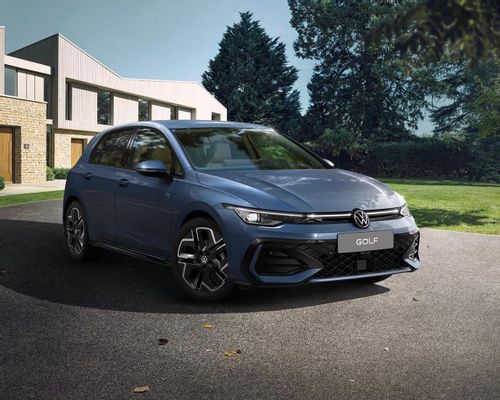
While the ID.3 has been positioned as the electric spiritual successor to the Golf, don't expect it to claim that legendary nameplate. VW has firmly ruled that out, especially with a dedicated electric Golf in development.
South African Implications
Here's where it gets interesting for local buyers. The current ID.3 hasn't officially launched in South Africa yet, though VW has been testing the waters with various ID models through selected dealers.
The refreshed model with its new name could be the version that finally makes it to our shores. With improved quality and a more familiar naming convention, it might be exactly what VW South Africa needs to crack the premium electric hatchback segment.
Given our market's preference for established brands and proven nameplates, a recognisable name could help the electric hatchback gain traction against competitors like the BMW i3 — which, ironically, stuck with a numerical designation throughout its run.
We're expecting the updated model to maintain the current car's 45kWh to 77kWh battery options, delivering between 352km and 548km of range respectively. The 150kW motor configuration should remain, offering brisk acceleration that suits both urban commuting and highway touring.
While official South African pricing hasn't been announced, expect the refreshed model to command a premium over the current European pricing of around €35,000, likely translating to somewhere north of R750,000 when it eventually arrives.
The rebrand represents more than marketing polish — it's VW acknowledging that familiar names carry weight with buyers. For South African consumers, that familiarity could be the key to electric adoption.
Also worth a look: the Volkswagen Touareg and the Tiguan Range Expands with Potent New Options.
FAQ
Q: What will the new Volkswagen ID.3 be called after the name change?
Volkswagen hasn't officially announced the new name yet, but Martin Sander confirmed they'll reveal it shortly alongside the comprehensive facelift later this year.
Q: How much does the Volkswagen ID.3 cost in South Africa?
The current ID.3 starts from around R750,000 in South Africa, though pricing for the refreshed model with the new name hasn't been confirmed yet.
Q: Is the Volkswagen ID.3 worth buying in South Africa?
If you can wait, hold off until the refreshed model arrives later this year with improved interior materials and updated styling, as it should address the current car's main weaknesses.
Q: Why is Volkswagen changing the ID.3 name?
VW is moving away from numerical naming back to proper model names because they realise established nameplates like Tiguan have stronger brand recognition and trust with buyers.
Q: What improvements will the new ID.3 get besides the name change?
The updated model will feature a more aggressive front-end design and significantly improved interior materials to address criticisms of the current version's cabin quality.
Should You Buy It?
Hold your horses on the current ID.3. With the refreshed model arriving later this year featuring better interior materials and fresh styling, you're better off waiting for what promises to be a significantly improved package. The current model at around R750,000 feels overpriced for what you get, especially with that plasticky interior that screams "we cut corners here." The updated version should fix these issues and give you a proper premium electric hatchback that actually feels worth the money. If you absolutely need an electric car right now, consider the BMW i4 or Tesla Model 3 instead, both of which offer better value at similar price points.