

OMODA and IUCN Join Forces to Pioneer Low-Carbon Lifestyles
Our environment stands at a crossroads, teetering on the edge of a precipice demanding immediate attention and action. The challenges facing the world's ecosystems, from the sprawling majesty of our forests to the boundless depths of our oceans, have reached unprecedented levels of urgency. What was once a matter of choice has evolved into an absolute necessity.
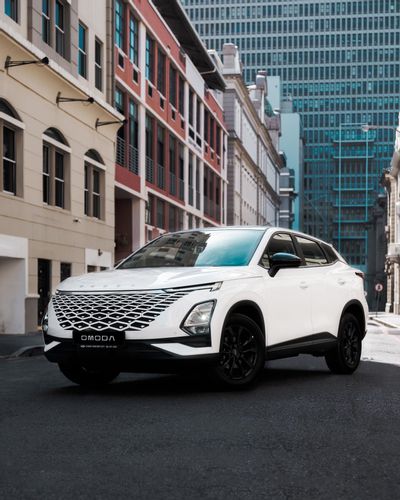
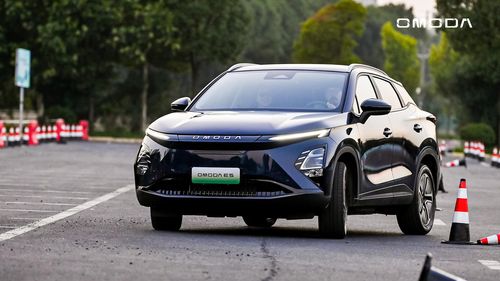
Amidst this global call for action, the esteemed brand OMODA has advocated for a green and intelligent mode of mobility driven by innovation and technology. OMODA recognises that in our interconnected world, global collaboration is paramount.
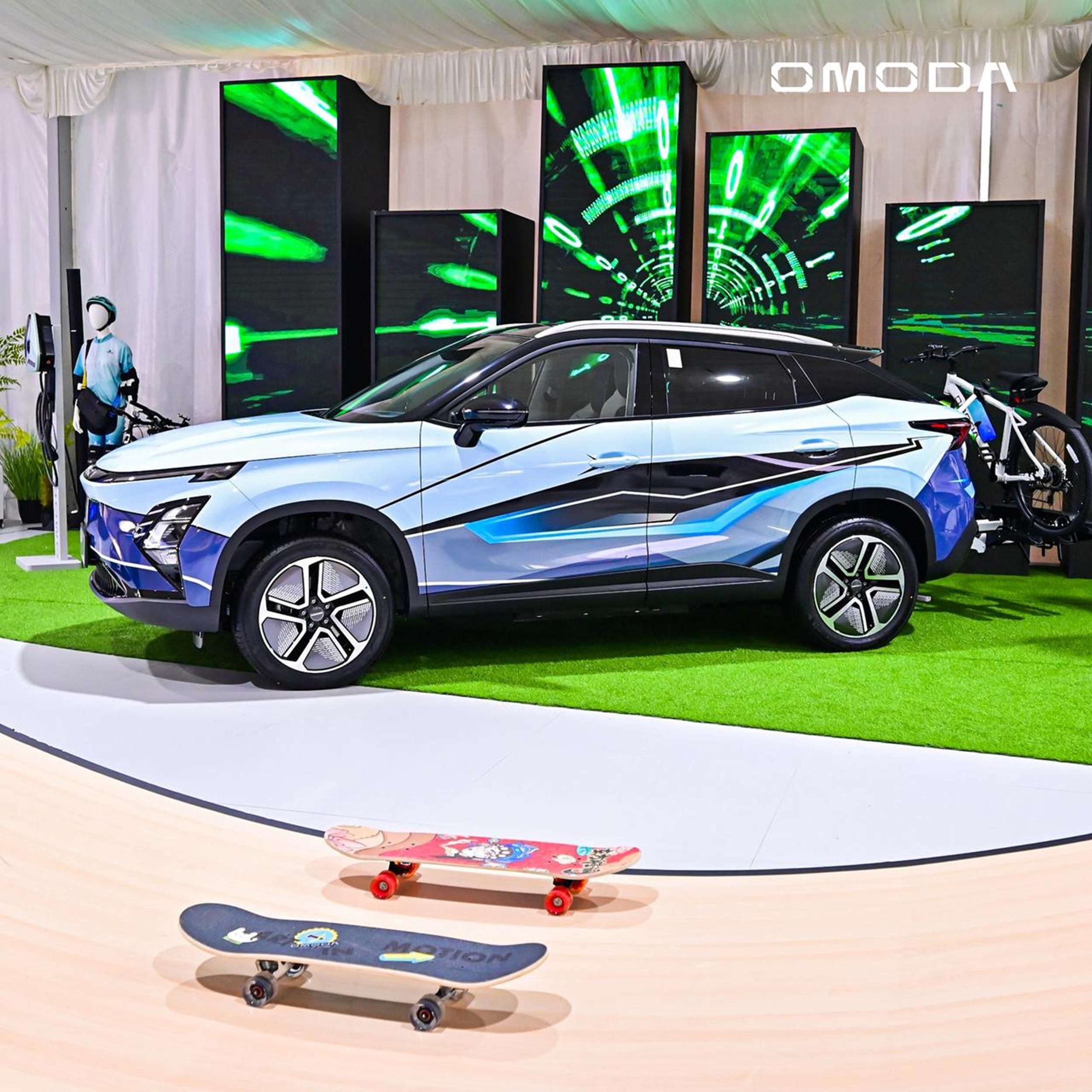
The October User Ecological Co-creation Conference, an upcoming event of profound significance, is poised to catalyse change. Building upon the foundation laid at the Shanghai Auto Show with the introduction of the green public welfare fund, this conference is about fostering partnerships to bolster the prosperity of nature. A highlight of this event is the Public Welfare Signing Ceremony with the International Union for Conservation of Nature (IUCN) scheduled for October 17. This ceremony marks OMODA's unwavering commitment to shaping a future guided by Environmental, Social, and Governance (ESG) principles while actively diminishing its carbon footprint.
At the heart of this commitment lies the 8023 Project, a visionary endeavour that emerged during the Shanghai Auto Show. The 8023 strategy extends a global clarion call to unite 80 international NGOs and official organisations, rallying behind a shared mission - environmental enhancement. This initiative sets out to reduce carbon emissions through robust ecological conservation efforts, both locally and globally. It envisions the creation of an "Oxygen Planet," where ESG principles permeate every facet of the value chain. From disaster relief to the preservation of forests, oceans, wetlands, and wildlife, this strategy represents a comprehensive approach to safeguarding the very essence of our planet.
Founded in 1948, the IUCN is the largest network of nature conservation professionals globally. Boasting more than 1,400 member states, governmental agencies, non-governmental organisations, and a cadre of scientists hailing from 160 countries, the IUCN wields unparalleled influence over international environmental policies. Their mandate is clear - safeguard nature and its rich tapestry of biodiversity. They achieve this by conducting field projects worldwide, funded by various entities, all with the ultimate goal of nurturing a world that champions and protects the diversity of our natural world.
The partnership between OMODA and IUCN is set to redefine the conservation paradigm. It's not just about rhetoric; it's about unwavering action. Their shared vision revolves around embracing nature-based solutions, ushering in an era where nature's gifts flourish. Their primary objective is collaboratively crafting a pioneering model for protecting and rejuvenating forests, wetlands, and oceans.
Moreover, this partnership transcends geographical boundaries; it's a universal undertaking. The aim is to attain carbon neutrality, harness nature's bounty, and propagate sustainable development globally. It signifies an earnest pledge to forge a world where nature and humanity coexist harmoniously.
In a world besieged by unprecedented environmental challenges, the role of corporate behemoths in environmental protection has never been more pivotal. The OMODA-IUCN partnership is a beacon of hope, showcasing how influential corporations can spearhead positive change. It serves as an exemplar, a challenge to other industry titans to step up and take decisive action. It is a poignant reminder that the path to a greener, more sustainable future is one we must traverse together, hand in hand.
As we tread this path toward the prosperity of nature, let us remember that it transcends mere action; it entails a profound promise - a promise to be responsible stewards of our wondrous planet. Through their collaboration with IUCN, OMODA aspires to amplify the impact of its youthful brand and its avant-garde products, charting a course toward an innovative mobility experience for forward-thinking drivers.
Also worth a look: the Omoda C9 and the Omoda C5.
FAQ
Q: What is OMODA's 8023 Project and how does it work?
OMODA's 8023 Project is an ambitious environmental initiative that aims to unite 80 international NGOs and official organisations in a global effort to reduce carbon emissions through ecological conservation. The project focuses on creating an "Oxygen Planet" by implementing ESG principles across the entire value chain, covering everything from disaster relief to protecting forests, oceans, wetlands, and wildlife.
Q: When is OMODA signing their partnership with IUCN?
OMODA is signing their Public Welfare Partnership with the International Union for Conservation of Nature (IUCN) on October 17 during the User Ecological Co-creation Conference. This signing ceremony marks a major milestone in OMODA's commitment to Environmental, Social, and Governance principles while actively working to reduce their carbon footprint.
Q: How does OMODA's environmental initiative affect their car pricing in South Africa?
While OMODA's green initiatives demonstrate their commitment to sustainability, the brand hasn't yet announced specific pricing for their vehicles in the South African market. The environmental focus suggests OMODA will likely position themselves as a premium eco-conscious brand when they do launch locally, which could mean higher initial pricing but better long-term value through reduced running costs.
Q: Is OMODA available to buy in South Africa right now?
OMODA is not currently available for purchase in South Africa, as the brand is still building their global presence and focusing on establishing their environmental partnerships like the one with IUCN. South African buyers interested in OMODA vehicles will need to wait for official market entry announcements and local dealer network establishment.
Should You Buy It?
You can't buy an OMODA in South Africa yet, so the question is more about whether you should wait for them. If you're passionate about supporting genuinely eco-conscious automotive brands and don't mind being an early adopter, OMODA's partnership with IUCN and their 8023 Project shows serious environmental commitment beyond just marketing fluff. However, without confirmed SA pricing, local support networks, or even specific vehicle specifications for our market, it's a big maybe. For now, stick with established hybrid or electric options from brands like Toyota, BMW, or Volvo that are already available locally with proven service networks. When OMODA does arrive in SA, expect pricing to reflect their premium eco-positioning, likely starting around R400,000 to R600,000 based on their global market strategy.